The hardwood floors are a good addition that brings warmth, beauty, and long-term investment to any house or business premise. Yet, they cannot be left like that, as they need more specific care. Foot traffic, movement of furniture, and day-to-day wear may dull down the surface and produce scratches over time. This is the reason why it is necessary to know the correct processes of waxing the surface of hardwood floors and guarding it.
This manual will tell you how the process of waxing your wood floors is done, the reasons why it is important, and how it is able to leave your flooring looking as beautiful as it was in nature. Whether it is minor wear or a wish to enhance durability, there will be a marked difference in hardwood floors’ polishing and maintenance.
Why Wax Floors?
This is why most house owners wonder why they should wax their floors when there are modern finishes that can be used. The solution is in the security and the looks. Wax forms a protective coating on the wood, which helps to keep the surface dry and clean and protects it against moisture, dirt, and other damage.
Waxing also gives the floor a glossy finish with a rich natural shine, which gives hardwood floors a better appearance than before. Moreover, wax may be used to cushion hardwood floors against scratches because the wax creates a layer that absorbs a small impact. In traffic-prone zones, this is an additional form of protection that can greatly increase the longevity of your floors.
Preparing Your Floors for Waxing:
The waxing process should be prepared before beginning. Start with a perfect cleaning of the floor, as there should be no dirt, dust, or residue. Any debris that is left is likely to be caught up between the wax, thus affecting the final finish.
Then check the floor for whether it has been scratched or damaged. Shallow scratches may be resolved easily during the polishing of hardwood floors, whereas more severe damage may involve professional refinishing. Wax should not be applied until the floor is completely dry because the presence of moisture will impact correct adhesion.
Step-by-Step Guide to Waxing Wood Floors:
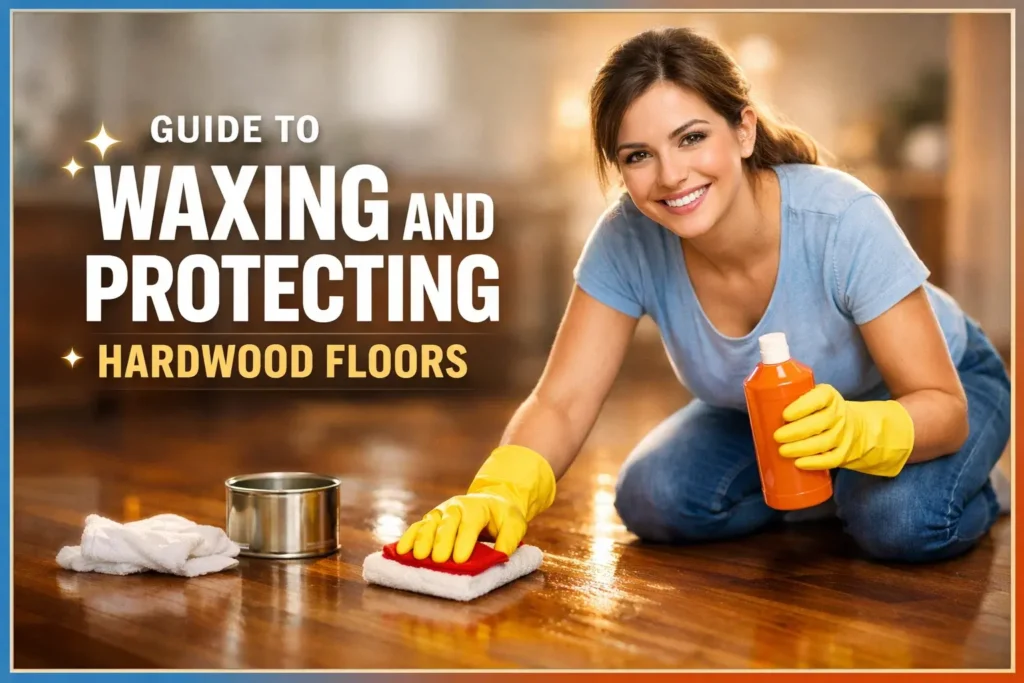
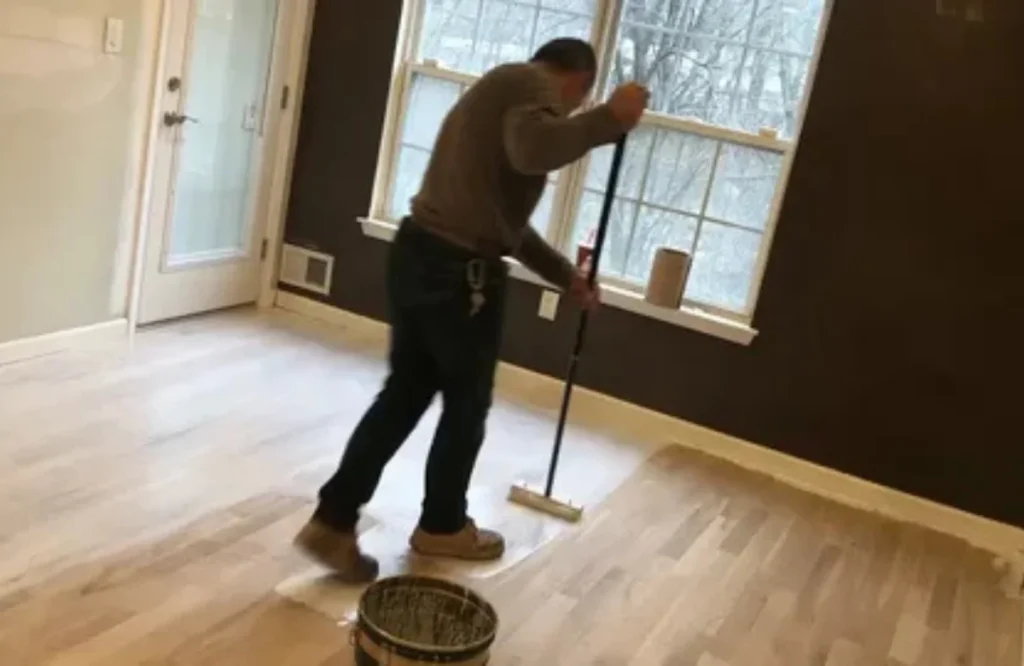
Begin by choosing a high-quality wax to be used on hardwood floors. Apply with a clean cloth or applicator pad in a thin and even layer. Do small sections so that you have uniform coverage and do not accumulate.
Allow the wax to dry as instructed on the product. After it is dry, polish the surface with a soft cloth or a polishing machine to increase the glossiness of the floor. This is necessary in order to have a smooth yet polished finish. Apply again in case of more protection or glow. Appropriate methods of hardwood floor waxing will guarantee a long-lasting and attractive appearance.
- Choosing the Right Nonslip Floor Wax:
Wax products are not identical, and it is essential to choose the appropriate product. Non-sticky floor wax is particularly crucial in a home that has kids, pets, or people of old age. It offers extra grip and still gives it a smooth appearance.
During a product selection process, there are durability, ease of use, and compatibility of the product with your flooring type, among other factors. Waxed floors that are of high quality also serve to protect the hardwood floors against scratches and daily wear, as well as enhance their appearance.
- Hardwood Floor Polishing vs. Waxing:
Although waxing and polishing of hardwood floors are used simultaneously, they can be used differently. The process of polishing is aimed at regaining the shine and oiling the surface, and waxing supports it.
It can be polished more often to look good rather than waxed, which is less frequent but provides a greater duration of protection. It is important to combine the two in this way; your floors will be beautiful and sustainable in the long run.
How to Protect Hardwood Floors from Scratches:
Along with the use of waxing, hardwood floors can be safeguarded against scratches in a number of ways. Apply soft padding to the legs of the furniture to avoid scratches. Highly trafficked areas should be covered with place rugs or mats to reduce wear.
Cleaning is also important at regular intervals. The dust and debris may serve as sandpaper that leaves little scratches in the end. By cleaning floors and applying wax now and then, the coating allows preserving a protective layer that minimizes damage.
Maintenance Tips for Long-Lasting Results:
The main secret of maintaining hardwood floors is regular maintenance. Clean or sweep and clean up regularly. Do not expose to too much moisture; water may destroy wood and influence the layers of wax.
Wax should be applied again, depending on the movement of people and use. There might be a need to have waxed wood floors that are cleaned more often in high-traffic areas. Hardwood floor maintenance will also be done by periodically polishing your floors to maintain the shine and keep your floors presentable.
Common Mistakes to Avoid:
One of the most frequent errors is the excessive use of wax at a time. Very thick layers would result in rough finishes and surfaces. You should at all times use thin, smooth layers.
The other error is not preparing. Waxing the floor before cleaning it may lead to the entrapment of dirt and decrease its performance. Their floors can also get damaged instead of being safeguarded by using the wrong product, particularly one not meant to be used on hardwood.
Benefits of Waxing Hardwood Floors:
Hardwood floors benefit in several ways besides having their surfaces waxed. First, it contributes to the integrity of the wood by minimizing the exposure to dust, moisture, and garbage. This reduces the overall destruction in the long run, and longer floors remain in better condition.
The other benefit is increased safety. To minimize the chances of slipping, a nonslip floor wax can be applied, particularly in places that are likely to be wet. Waxing is also easy to touch up, and this implies that minor flaws can be repaired without complete refinishing. On balance, maintaining wood floors by waxing is a cheap method of preserving their durability and beauty.
Conclusion:
Waxing and protecting the flooring made of hardwood is necessary to retain the beauty, durability, and value of hardwood. Between enhancing the floor gloss to assist in the prevention of the hardwood floors being scratched, appropriate care methods could greatly increase the longevity of your flooring. Regular polishing of the hardwood floor or the selection of the appropriate non slip floor wax, and regular maintenance are the keys.
Abeln Floor Systems is involved in the professional supply of hardwood flooring that ensures that your area is restored in elegance, strength, and value. We offer a long-term solution to homes and businesses seeking hardwood floor sanding and refinishing, seamless flooring, and reliable repair. Our professional craftsmen have served the St. Louis area for a lifetime of 42 years, and this should make us your first choice when it comes to hardwood floor services.
FAQs:
Q1: How often should I wax hardwood floors?
Most hardwood floors should be waxed every few months, depending on foot traffic. High-traffic areas may need more frequent waxing to maintain protection and appearance.
Q2: Can waxing hardwood floor surfaces remove scratches?
Waxing can reduce the visibility of minor scratches by filling and covering them, but deeper scratches may require professional sanding or refinishing.
Q3: Is non slip floor wax safe for all hardwood floors?
Most nonslip floor wax products are safe for hardwood floors, but it is important to choose a product compatible with your specific floor finish.
Q4: What is the difference between hardwood floor polishing and waxing?
Polishing restores shine and smoothness, while waxing adds a protective layer that helps prevent damage and enhances durability.
Q5: Does waxing wood floors improve floor gloss?
Waxing significantly improves floor gloss by adding a natural shine and enhancing the appearance of the wood surface.